


Why every business needs a SOC: A Must-Have for MSPs
Organisations of all sizes face the constant challenge of protecting their data, systems, and reputation from ever-changing cyber threats. As a result, the demand for robust cybersecurity solutions has never been higher. For Managed Service Providers (MSPs), partnering with a Managed Security Service Provider (MSSP) to deliver a Security Operations Centre (SOC) service is not just an option—it’s a necessity.
What is a SOC, and Why Does It Matter?
A Security Operations Centre (SOC) is a centralised team responsible for monitoring, detecting, and responding to cybersecurity threats in real-time. It’s the nerve centre of an organisation’s cybersecurity posture, ensuring that threats are identified and neutralised in minutes, before they can cause significant harm to the business and its reputation.
However, building and maintaining an effective in-house SOC is no small feat. It requires substantial investment in technology and tooling, highly skilled security professionals, and continuous updates to technology and skills to stay ahead of emerging threats. For many businesses, the costs and complexities of developing a fully operational SOC in-house are simply out of reach or a distraction from their business purpose.
The Challenges of Building an In-House SOC
High Costs: Establishing an in-house SOC is a significant financial undertaking. The average salary of a security analyst in the UK is around £60,000 per year. When you factor in the need for a 24/7 operation with a full team of analysts, the cost can easily exceed £500,000 annually. This doesn’t even account for the necessary tooling and ongoing training required to keep the SOC and the team effective.
Talent Shortage: The cybersecurity industry faces a well-documented skills shortage. Finding and retaining qualified professionals to staff an in-house SOC is a significant challenge. Moreover, the intense and high-pressure environment of a SOC can lead to burnout, making retention even more difficult.
Strategic Shift Required: Implementing a SOC isn’t just about hiring the right people and buying the right tools. It requires a fundamental shift in business priorities, with a strong focus on enhancing the organisation’s overall security posture. This includes ensuring compliance with regulations, developing incident response playbooks and running table-top exercises, and continuously updating security strategies.
Complexity of Execution: Running a SOC effectively is a complex and continuous effort. Cyber threats are constantly evolving, and the defence mechanisms must evolve in tandem. This requires ongoing investment in the latest technologies, threat intelligence, and skilled personnel to ensure the SOC remains effective.
Why MSPs Should Partner with an MSSP
For MSPs, offering SOC services to their clients can be a game-changer. However, the challenges of building an in-house SOC costing into the millions can be daunting. This is where taking advantage of SOC-as-a-service (SOCaaS) by partnering with a Managed Security Service Provider (MSSP) like DigitalXRAID becomes invaluable. Partnering with an established SOC provider removes the risk from MSPs that wish to offer it to their end clients.
By partnering with a specialist MSSP, MSPs can offer their clients the benefits of a fully operational SOC without the associated costs and complexities.
Cost-Effective Expertise: Partnering with an MSSP allows MSPs to leverage the expertise of a fully staffed and equipped SOC without the need for significant upfront investment. This enables MSPs to offer high-quality cybersecurity services to their clients at a fraction of the cost of building an in-house SOC.
Access to Cutting-Edge Technology: MSSPs like DigitalXRAID invest heavily in the latest security technologies and tools. This includes advanced machine learning (ML) capabilities and generative AI models that enhance threat detection and response. MSPs can offer their clients the benefits of these technologies without the need for continuous investment.
Scalability and Flexibility: As businesses grow and their cybersecurity needs evolve, an MSSP partnership provides the scalability and flexibility to adapt quickly. Whether it’s expanding services to new clients or upgrading existing offerings, MSSPs provide the resources and expertise to meet these demands.
Focus on Core Business: By outsourcing SOC operations to an MSSP, MSPs can focus on their core business activities, confident that their clients’ cybersecurity needs are in expert hands. This not only enhances service delivery but also allows MSPs to grow their business without being bogged down by the complexities of capex and cybersecurity management.
DigitalXRAID’s SOC Services: Empowering MSPs for Success
DigitalXRAID was formed and is unwaveringly committed to ensuring that the bad guys don’t win. By working with MSPs, or IT service providers, we can deliver better business outcomes for end clients and unlock growth potential for our partners.
Our UK-based, CREST Accredited SOC operates 24/7, providing advanced managed security monitoring that enhances our MSP partners’ offerings. Our SOC service is technology-agnostic, meaning we work with best-in-breed solutions tailored to meet the unique needs of each client.
We also offer specialised expertise in Managed Microsoft Sentinel services, helping partners and clients maximise the value of their Microsoft licenses. This not only strengthens security for end clients but also drives financial gains through cost-effective license usage and consolidation.
With DigitalXRAID’s SOC service, MSPs can deliver robust, scalable, and cost-effective cybersecurity solutions that protect, detect, and respond to threats in real-time. Our service is designed to optimise costs while ensuring maximum ROI through improved security posture, reduced incident impact, and enhanced operational efficiency.
Join Our Partner Programme: Unlock New Opportunities
If you’re an MSP looking to enhance your service offerings and provide your clients with world-class cybersecurity solutions, partnering with DigitalXRAID is the way forward. Our newly relaunched partner programme offers generous margins, discounts, and unparalleled support across our Approved and Strategic Partner options.
Contact your channel manager today to learn more or visit our website to explore the benefits of becoming a DigitalXRAID partner. Together, we can deliver the cybersecurity solutions that today’s businesses need to stay protected and thrive in an increasingly digital world.
By DigitalXRAID


Kaseya Report Outlines Top Trends in Backup and Recovery in 2025
More than 30% of IT professionals are losing sleep over their backup and recovery preparedness – according to new Kaseya survey
Kaseya, the leading global provider of AI-powered cybersecurity and IT management software, released today The State of Backup and Recovery Report 2025: Navigating the Future of Data Protection. The survey of over 3,000 IT professionals worldwide reveals the importance of data protection and the increased need for robust backup and recovery strategies to address current and future challenges. While 40% felt confident in their systems, 33% have reported nightmares – and many are less prepared than they believe.
“In today’s cyber landscape, it’s hard to be confident about any systems you’re using,” said Frank DeBenedetto, GTM General Manager, MSP Suite, Kaseya. “So much is out of your control, it’s not surprising that nearly a third of IT professionals have had nightmares about their backup. From human error to natural disasters to ransomware attacks, the only way to know your systems work is to test them repeatedly.”
Security and Recovery
With only 10% of businesses reporting zero outages last year, many businesses tested their backups in a trial by fire – if nothing else. Only 15% test their backups daily with another 25% testing weekly. Disaster recovery tests were given even less attention, with only 11% testing daily and 20% testing weekly. And 12% of those surveyed admitted they tested their disaster recovery on an ad hoc basis or not at all.
Looking at recovery times, 60% of respondents believed they could recover in under a day; however, only 35% could do so in reality. Approximately 40% of respondents can recover lost SaaS data in hours, with others requiring days or weeks (35%). More concerning, 8% were unsure of their recovery time and 2% didn’t believe they could recover any lost SaaS data. An alarming 40% of respondents would need days or weeks to recover data from a public cloud and 8% do not back up their public cloud data at all.
Challenges
More than half of the businesses surveyed plan to switch their primary backup solution but are finding major challenges in trying to do so. Price is one of the leading challenges. With IT budgets tightening, businesses need to find a way to balance cost efficiency while maintaining a robust data protection strategy. Optimizing cloud costs emerged as the greatest challenge for businesses looking to move workloads to the cloud with 15% having difficulty finding the right cloud service provider for their business.
Having multiple backup tools created inefficiencies for 10% of businesses and over half of those surveyed spent more than 2 hours a day monitoring, managing and troubleshooting backups. When looking at their current infrastructure, 10% of businesses said alerting and reporting is a challenge because their backup systems don’t have actionable insights and deep enough visibility.
Best Practices
As businesses look to switch their backup solutions in today’s complex hybrid IT environment, they must ensure they’re taking every consideration to protect their data, as well as their client and consumers’ data. By leveraging advanced technologies, like cloud-native solutions and automated testing tools, businesses can save time and effort on time consuming tasks. With the right vendor, they can become even more efficient thanks to integrated solutions and premium support.
Most importantly, an apex backup infrastructure should have a strategic plan in place that plans for scalability and clearly defines backup policies. The plan will help ensure enhanced security of backup systems by implementing multilayered security measures and regularly auditing systems to ensure they’re protected against evolving threats.
To download The State of Backup and Recovery Report 2025: Navigating the Future of Data Protection, click here.
By Kaseya
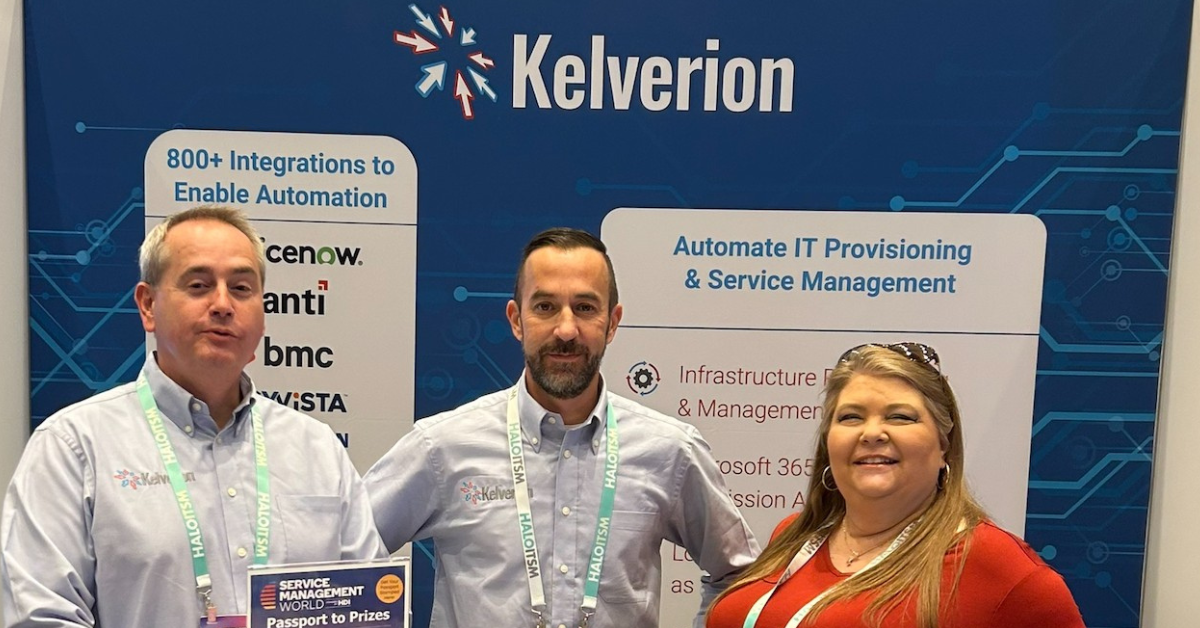
Meet the brand: Kelverion
Introducing long time exhibitors Kelverion, learn more about them before meeting the team and discovering their capabilities at SITS.
What do Kelverion do?
We help customers simplify the automation of manual processes which transforms IT service delivery productivity for organizations globally.
Kelverion drive IT Service efficiency and agility with Microsoft Automation, providing Integrations, ready to deploy automated solutions, services and support for;
- Azure Automation
- System Center Orchestrator
- Power Automate
- Logic Apps
- PowerShell
To manage the automation we provide an Automation Portal that;
- Is a simple way for your IT Team or End Users to trigger automated processes.
- Tracks and report on the operation and benefits achieved whatever automation tools or techniques you are using
- Delivers live update on automated process status
Kelverion aim to be the partner of choice for IT Automation in medium and large enterprise to revolutionize IT Service Delivery reducing operational costs and improving end user experience.
How did you get started?
Kelverion were founded in April 2010 to bridge the integration gap between Microsoft System Center automation products and other IT management systems.
We released our first integrations for BMC Remedy and ServiceNow in 2011 and now support Service Desks such as Atlassian Jira, BMC Helix ITSM, Freshservice, EasyVista, ManageEngine, Salesforce and SolarWinds.
To date Kelverion has released over 80 products to enhance Microsoft Automation Tools including Azure Automation, Power Automate and Orchestrator.
What are you looking forward to most at SITS?
Engaging with our existing customers, partners and meeting organisations who are struggling to get started with automation and AI, sharing our 15 years of Microsoft Automation knowledge and experience.
Why should visitors come to your stand?
Find out how Kelverion can wrap your existing Service Desk in Self Service and Automation to deliver end-to-end business process automation, IT task automation and AI Ops to:
- Simplify Service Fulfilment: Simplify your business fulfilment with a narrative led self-service interface.
- Automate Any Process: See how our automation platform with Low-Code technology allows you to automate any process.
- Achieve Automation and AI Ops with your existing Service Desk and achieve this without the need for herculean Service Desk platform change!
Breaking new ground in IT asset management with AI
IT asset management (ITAM) plays a crucial role in realizing strategic goals, from ensuring compliance to optimizing costs. However, as IT asset estates expand due to digital transformation and evolving computing needs, IT asset managers are often burdened with time-consuming tasks, including asset grouping and compliance tracking. These expansive IT asset estates present diverse challenges:
-
Static, rule-based automations, causing inaccurate IT asset grouping.
-
Manual data analysis for optimizing IT costs and ensuring compliance, delaying critical decisions.
-
Dispersed asset data and disjointed tool sets, impeding real-time insights.
-
Unplanned procurement routines, exhausted IT budgets, and more.
6 key use cases of AI in ITAM
To overcome these challenges, IT asset managers can leverage predictive, generative, and conversational AI. Here are six key use cases:
1. Intelligent IT asset grouping
While manual asset grouping driven by predefined parameters is rigid, predictive AI can intelligently group IT assets by analyzing contextual information, including business criticality, user roles, and more. This ensures real-time classification of IT assets, facilitating context-aware operations. For example, predictive AI can group IT assets used by the NOC team as critical and high-performing, prioritizing their maintenance to support business continuity.
2. On-demand IT asset insights
Fragmented data and disconnected systems often hinder visibility, delaying strategic decisions. With GenAI, IT asset managers can ask questions in natural language and receive contextual responses. In this way, IT asset managers can inquire about devices approved for corporate travel, their patch status, vulnerabilities, and access controls, helping them quickly address security and compliance risks.
3. Smart asset purchase recommendations
Ad hoc purchases often result in overstocking and understocking of IT assets, hindering cost optimization. When ordering laptops for new hires, predictive AI can analyze ticket trends and suggest optimal quantities during off-peak hiring seasons. Further, GenAI can offer tailored, contextual recommendations for alternative laptop models based on user preferences or recurring issues. This aligns procurement with business needs and enhances the employee experience.
4. Automated creation and approval of purchase orders
As operations scale, communicating with multiple stakeholders becomes complex, delaying procurement. GenAI can automatically craft purchase orders and tailor context-rich emails to vendors. Also, ML engines can analyze past procurement data to recommend approvals for orders within preset thresholds. This streamlines vendor communication while ensuring strategic control.
5. Tailored IT asset assignment
Allocating IT assets in a one-size-fits-all approach often fails to meet the unique requirements of employees and the organization. AI, however, can tailor IT asset recommendations by considering contextual factors, including user preferences, roles, and compliance requirements. When onboarding a developer, predictive AI recommends high-performance laptops based on the role, while GenAI suggests specific security configurations to comply with ISO 27001 requirements.
6. Proactive anomaly detection to improve digital experiences
While delayed detection and remediation of endpoint anomalies could lead to security threats, AI can step in to foster a proactive approach. Predictive AI can spot potential endpoint anomalies based on DEX scores, creating tickets automatically. Further, GenAI can summarize the ticket, highlight the root cause, and suggest actionable steps, like upgrading the RAM, to prevent such recurrences in the future.
Final thoughts
From streamlining compliance to optimizing IT spending, these are some of the benefits that IT asset managers can experience by integrating AI into their ITAM operations. However, ManageEngine's survey, The state of AI in ITSM - 2024 and beyond, shows that adopting AI in ITAM isn’t a top priority among leaders. While AI adoption in ITAM may still be in its early stages for many organizations, those looking to take a step forward can benefit from its integration into other ITSM practices like incident management, service request management, and more. ServiceDesk Plus offers predictive, conversational, and generative AI on a unified platform, enhancing efficiency across your ITSM workflows. Explore now.
By ManageEngine
Author bio
Nisha Ravi is an ITSM enthusiast who is keen on learning service management best practices and the latest tech advancements. As a ManageEngine ITSM evangelist, Nisha works on developing various resources that help IT service delivery teams address specific IT and IT service management challenges. A regular presenter in the ServiceDesk Plus Masterclass series, she delivers intensive, hands-on product training sessions to ManageEngine customers. She also presents at ManageEngine ITCON seminars, promoting ITSM best practices for IT practitioners across the globe.

Free registration opens for SITS – The Service Desk & IT Support Show and the MSP Show
SITS – The Service Desk & IT Support Show and the MSP Show are returning on 14-15 May 2025 at Excel London.
SITS boasts the only free ITSM education programme in Europe, made up of seminars, panels, Breakfast Briefings and Hot Topic workshops.
Event Director, Alice Fulton said “We are thrilled to welcome attendees to this year’s show, where technology, collaboration, and learning take centre stage. With an incredible lineup of exhibitors, expert-led sessions, and networking opportunities, the event is set to be our best yet!”
‘Rapidly assess all your ITSM platform needs and tools in one place’ 
The event is the largest in Europe focused on IT Service Management. 70+ ITSM vendors will be showcasing the latest IT service solutions, aiming to enhance the efficiency of IT Service Delivery. Attendees will experience tailored demos, compare service offerings and get their questions answered from leading service providers, including Freshworks, Hornbill, Valiantys, TOPdesk and ManageEngine.
Visitor Benjamin Shaw from HM Courts and Tribunals said “Meeting so many vendors helps us stay ahead of the game, we can’t wait for next year.”
‘I learnt lots of practical advice I'll be using when I return to work’
Visitors can take advantage of two packed days of sessions, full of practical advice and industry updates. Topics cover everything from agentic agents and problem management to security and automation. Seminars will be delivered by experts from the industry and beyond.
“The education programme offers a great opportunity to hear, share and discuss relevant, important and current topics from within our industry!” Commented visitor Elisa Garcia from Valeo.
 ‘I left feeling inspired and equipped with practical strategies to enhance how we do business as an MSP’
Returning after its launch last year is the MSP Show, dedicated to the rapidly growing Managed Service Provider sector.
The success of the show last year means that this edition will include even more exhibitors and seminars. The exhibition will include a diverse list of leading MSP suppliers alongside a comprehensive conference programme.
Attendees will have the chance to engage with key suppliers including HaloPSA, ThreatLocker, NinjaOne and ConnectWise. As well as meet with new exhibitors such as enhanced.io, DriveSavers Data Recovery and Cloud in the Channel.
The seminar programme will be expanded from one to two theatres to provide invaluable education and inspiration from thought leaders and experts, to help MSPs grow their businesses.
“The first MSP Show was a great use of mine and my team’s time to make new connections, reconnect with channel friends and learn what’s new and innovative in the MSP space” Commented Ian Luckett, The MSP Growth Hub.
‘Year in, year out, my favourite UK event to meet vendors, gain insights and network’ 
Alongside new features to explore, visitors can also network with their community at the annual post-show drinks, where they can decompress after a busy day.
The 29th edition of SITS and second edition of the MSP Show will unite thousands of industry peers from around the world. Attendees will leave with fresh ideas and inspiration to help push their careers forward.

Understanding conventional wisdom and breaking through barriers because of It
IT and service desk leaders within your organization likely have processes set up to help them guide and lead their departments through some difficult decisions to navigate the challenges that they regularly face. Regular meetings, status calls, Excel-based trackers and other formal reporting processes may exist to alleviate such pains, but these strategies don't mean organizations or operating efficiently nor without our friction.
In many instances, such tactics appear foundational for ensuring a smooth-running department, team, and organization. Without these things, the whole thing might crumble. Projects might stop. Tickets may not get resolved. Users might go un-served. But that's not true and these tactics are not keeping the organization from perilously tipping over the edge. Such strategies, done because they've always been done, may be hurting the department, team, and organization.
Processes, beliefs, operating procedures, organizational routine, and many more aspects of departmental and organizational lives are based on such "how-we've-always-done-it wisdom that usually holds us back better than it moves us forward. The origin for doing such things the way we do them is usually unknown or unremembered. That matters little now, unless change is not part of the objective.
If change is in line, then the past matters little. If change is not in the works, then a real problem may be afoot. If not, now might be a good time to ask, “Why are we doing it this way?”
Asking about the past is not a disrespectful act. It's quite the opposite. Asking about the past and why things are done or why things are done a certain way helps leaders and their teams gain insight into improving an organization as a whole even on a departmental level.
When processes are running poorly, are stifled, innovation stale, reporting and ticket management fragile, Excel-based systems running the bulk of the data warehousing, things are likely to stay rudimentary. However, even with systems in place that allow for automation and greater visibility into workflows and user experience, doesn’t mean you've got to rush into change with your hair on fire.
Substantial change can start slowly, taking a meticulous approach.
Change for change's sake is not the goal and shouldn't be the desired outcome.
This does not mean implementing a “good idea fairy with hair on fire” approach where change is implemented for change’s sake. But carrying on thoughtful conversations with those in your organization can help to highlight where there may be that sloppy or self-interested thinking.
Granted, there are a few things to consider before diving into challenging the status quo. The way you ask your questions is important. So is understanding the organizational landscape.
Any change required or sought is a reflection of the current state of affairs brought on by past actions, responses and decisions. Change requires self-discovery, which reminds me of the old adage:
Leader speaking to group: Who wants change?
Group members: All raise hands emphatically!
Leader to group: Who wants to change?
Group members: *sideways glances and hands lowered slowly*
Changing processes and systems from the old way to a different way can help identify sloppy, disingenuous tactics and obvious areas of improvement. In the helpdesk, for example, asking about why ticket management is tracked on disparate systems can be helpful to breaking down organizational silos. Likewise, lack of reporting across a department or organization can limit its ability to analyze data and accurately reflect the state of being.
All things considered, doing things the way they have always been done may be the easiest way forward, but it’s not necessarily (usually) the most profitable. Keep in mind, though, that challenging the conventional wisdom must lead to your ability to provide enough value to make the change worthwhile once the change is implemented. If the implemented change does nothing more than to serve the few then results are likely not worth the effort and harken back to the “ways things have always been thinking.”
Or are you risking alienating your co-workers over a small, non-mission-critical issue? To determine if the challenge to conventional wisdom is worthwhile, begin by asking your team what they feel can be improved and what they think can be better about it. If people have strong enough feelings about something, they likely have determined a few ways around or through the thing they have strong feelings about. During such an exercise, you should ask for specifics followed by a request for solutions not more problems. Not only do you identify solutions to significant problems, but you gain allies who oppose the problem and will rally around a solution.
If the problem is sincere enough to consider, you’ve identified something that requires change.
On the other hand, if a problem is identified but is not determined critical but won’t be let go by those bringing it up, the approach is slightly different. Defend with data and build support among others who also see the wisdom as a fallacy as you try to change it. These situations can cause contention. Be prepared to implement vetoes.
The rule of thumb here is to analyze the conventional wisdom under the scope of “that’s how we’ve always done it.” This may be an exercise in killing sacred cows, though often these are the very principles that must be done away with.
If you have concerns about shutting down a process, experiment with it. For example, stop offering the service to your users. Don’t discontinue it but stop offering it. If you’re producing some sort of Excel-based report that don’t gain any traction or doesn’t provide value, but you produce it because you’ve always done so, put it away. See if anyone ever asks for it. Or, if you produce fields in your ticketing reports that are only included because they always have been but provide no value, consider eliminating those data points altogether.
Once this sort of thinking starts to take root, opportunities for further innovation are likely to occur. Once conventional wisdom starts to get questioned, to speed along any future change by documenting the why for change when a new process is implemented. The documentation can be used to create a historical document that can later be referred to determine if the policy should stay in place or not.
Conventional wisdom can keep you from evolving, too, or the ways of doing things can your service team too busy firefighting, responding to requests as they arise, or even to keep track of essential information. If, upon your review of conventional wisdom, you determine that you need to implement solutions to improve operations along with your way of doing things, technology advantages abound.
Automation of repetitive tasks may be the most critical outcome. Automating recurring tasks can decrease service desk calls by more than 40% and reduce end-user down-time. Likewise, recurring tasks are the bane of every IT professional’s existence. They take up time, energy, and effort, and are costly. Password resets are just one example: Forrester estimates that the average cost of a single password reset is $70.
Another task that’s often overlooked based on the old away of doing things is employee onboarding and offboarding. When a new employee joins the organization, your IT department is tasked with making sure they have the IT hardware, software, and privileges they need to do their job.
And, when employees leave, IT needs to restrict their access and figure out which assets they were using and where they are now.
These processes can be automated and their processes upgraded seamlessly from previous file-and-form ways of doing business. An automated offboarding process also can terminate accounts and access when employees leave, and these processes cross over several departments and reducing conventional wisdom related to these tasks allow departments across the organization to come together and streamline.
Streamlining beyond conventional wisdom requires a few strategies for success, which also drive effective collaboration. The hard work has already been done because you’ve worked your way through the shackles of the old way of doing things. Getting to this point was the difficult part.
At this point, leading effective collaboration throughout the organization can benefits from the following steps:
- Include other departments as appropriate. Collaboration requires others for success and you’ve already proven the power of collaboration depends on involving others to identify solutions that alleviate problems. Solutions that contributing to the initiative. Good collaboration is a team sport!
- Be proactive, taking a focused approach drives engagement and results.
- Identify quick wins, collaborate for consensus, document reasons for change, and determine potential outcomes. Work in small increments and don’t rush things along. Collaborators will be
- Celebrate every success. Reinforce the benefits of collaboration by celebrating success.
Such strategies, done when you’ve broken through conventional wisdom can reduce can improve the entire organization. Processes, operating procedures, organizational routine can become a crutch upon which "how-we've-always-done-it wisdom” is built. Once broken through, these processes don’t have to hold back an organization as long as collaboration is central to defining organizational value and moving things forward.
Even if you only get past conventional wisdom in place for conventional wisdom’s sake.
If change is in line, then the past matters little. If change is not in the works, then a real problem may be afoot. If not, now might be a good time to ask, “Why are we doing it this way?”
By Luis Soares, managing director, TOPdesk UK
CompTIA Community recipient of IT Nation Torch Award
Named Community of the Year at IT Nation Connect 2024
The CompTIA Community is pleased to announce it was honored with the prestigious IT Nation Torch Award as Community of the Year by the IT Nation, a global community of peers, thought leaders, and experts dedicated to elevating the IT ecosystem to new heights.
The CompTIA Community was recognized by IT Nation for its outstanding collaboration, engagement, and support for its members and the industry through knowledge-sharing, networking, and professional growth.
“Knowing that the IT Nation Torch Award comes from peers, thought leaders, and experts who are collectively pushing the industry to new heights makes it especially humbling for us,” said MJ Shoer, chief community officer at CompTIA. “We’re honored and proud to provide the industry with a global community that is committed to helping every channel professional and business succeed.”
“We are thrilled to introduce the IT Nation Torch Awards, celebrating excellence within the IT community,” said Gregg Lalle, senior vice president and general manager of IT Nation. “These awards aim to recognize the remarkable achievements and contributions of individuals, organizations, and media professionals who have made a significant impact on the industry. We invite all members of the IT community to participate in this exciting awards program and join us in honoring the best and brightest in our industry.”
The CompTIA Community is the leading global, vendor-neutral technology channel association for MSPs, vendors, distributors, and other companies serving the technology ecosystem. It is a trusted group of industry peers who have access to exclusive tools and resources needed to build a thriving business and contribute to the growth of the IT channel. This community includes regional groups around the world; cybersecurity resources, such as the Information Sharing and Analysis Organization (ISAO) and Cybersecurity Trustmark; market research; events; industry education and training and more.
IT Nation Torch Award winners were nominated by leaders across the IT ecosystem and recognized for their exceptional dedication, innovation, and commitment within the IT channel community. Awards were presented Friday night at IT Nation Connect, a top annual industry conference focused on education, inspiration, and networking to help individuals solve MSP challenges and grow. For more information about the IT Nation Torch Awards, including nomination details and eligibility criteria, visit https://www.connectwise.com/theitnation.

The 2024 Kaseya Security Survey Finds Human Error is Cybersecurity’s Weakest Link
IT Professionals are Also Trying to Navigate the New Frontier of Artificial Intelligence
Kaseya, the leading global provider of AI-powered cybersecurity and IT management software, released today the results of its 2024 Kaseya Security Survey. IT professionals reported user behavior as their biggest cybersecurity challenge. Another important finding relates to the widespread adoption of artificial intelligence by both threat actors and defenders. The survey found that feelings are mixed as IT professionals learn to navigate this new industry game-changer. The results of the survey are featured in the Cybersecurity Survey Report 2024: Navigating the New Frontier of Cyber Challenges.
“Cybersecurity attacks are widespread and more sophisticated, and as a result, are shaping business and IT strategies,” said Chris McKie, VP, Product Marketing-Security at Kaseya. “IT professionals are navigating this new frontier as they try to find a balance between cybersecurity needs against hybrid workforces, dependency on cloud-based applications and services, and the role of artificial intelligence in cyberattacks.”
People are the Problem
An alarming 89% of respondents cited a lack of training or bad user behavior as their main cybersecurity problem. User-related security issues cause the most distress for IT professionals with poor user practices and gullibility (45%) and lack of end-user cybersecurity training (44%) as the root causes for cybersecurity problems. When asked which cybersecurity issues have impacted their business, phishing ranked first at 58%, followed by computer viruses or malware at 44% and business email compromise at 34%.
AI – All Hype?
Cybercriminals are leveraging advances in AI technology to launch more sophisticated cyberattacks at a faster pace than ever before. However, its role in cybersecurity is highly debated with critics questioning its current limitations and ever-evolving cybercriminal tactics. More than half of survey participants say they believe AI will help them be more secure. But one-third of the IT professionals surveyed said they’re unsure about the impact AI may have on their company’s security. More research and clarity around the benefits and limitations of AI as a cybersecurity tool is needed.
Ransomware Payouts Decline
The survey found that fewer companies are paying ransomware demands – with only 11% claiming to have done so. The reason? Increased investment in backup and recovery technologies have likely minimized the impact of attacks showing the importance of these tools as part of robust backup and disaster recovery strategies. A growing awareness that paying the ransom is poor practice may be another reason.
Tools to Fight Cybercrime
According to the survey, the most widely adopted cybersecurity frameworks are NIST (40%) and Zero Trust (36%). There is a trend in rising security maturity in response to increasingly sophisticated threats. Respondents have rigorously implemented an array of security solutions with antivirus software (87%), email/spam protection (79%), and file backup (70%) topping the list. Three out of five respondents have an incident response (IR) plan in place – but follow-through is needed. Only 37% of those surveyed reported that they confirm the efficacy of their plan with periodic drills, down from 46% last year.
Another weapon in the fight against cybercrime is pentesting. More than two-thirds of respondents test at least twice per year, and more than one-third test at least three times each year. The major challenges around pentest adoption are cost and lack of budget (58%), resource limitations (18%) and IT staffing issues (12%).
As cyberattacks have risen, so has the adoption of cyber insurance with coverage now at 61% compared to 27% in 2023. Moreover, 41% of organizations are planning to invest in cyber insurance in the next 12 months.
Investments in Cybersecurity
IT budgets are stable. Over 80% of respondents said that they believe their IT security budget will remain the same, or even grow, in the next year. Aside from cyber insurance, IT professionals anticipate investing in cybersecurity, specifically cloud security (33%), automated pentesting (27%), network security (26%), security awareness training (26%) and vulnerability assessment (26%). Endpoint detection and response (EDR) and managed SOC/MDR also were on the list.
The IT professionals surveyed had headquarters in North America (87%), UK & EU (9%) and APAC/NZ (3%). Most of their company’s annual revenue ranged from $1M to $10M, and had 101-to 500 employees.
To download the Cybersecurity Survey Report 2024: Navigating the New Frontier of Cyber Challenges, click here.
By Kaseya

The Power of Honesty and Vulnerability…
At the CIPD Festival of Work 2024 in London, I had the privilege of delivering a session on the importance of honest, vulnerable conversations around mental health and well-being for people leaders. Little did I know that I would end up embodying this message in a most unexpected way.
As I stepped onto the stage at the Hampshire County Council School Conference 2024 today, I couldn’t ignore the tickle in my throat and the lingering effects of a recent, nasty virus.
From the end of last week to the start of this week, I was completely resting as it really did knock me for six – felt rough as anything plus a brutal cough, not great for a Professional Speaker!
So, with a cough that potentially threatened to disrupt my presentation, as I took to the stage today – I made a decision: honesty. “I have a cough,” I announced to the audience, “and the tail end of an infection. If I start coughing, please don’t slow-hand clap me off or throw stuff at me. Just give me your support and compassion, and I’ll be fine in a couple of minutes. I promise you!”
The response was overwhelming. Instead of judgment or impatience, I was met with understanding nods and supportive smiles. By acknowledging my vulnerability upfront, I set the stage for an authentic connection with my audience. It was a powerful reminder that honesty not only builds trust but also creates an environment where true dialogue can flourish.
Throughout the session, I shared personal stories and insights, illustrating how embracing our vulnerabilities can lead to more meaningful connections and effective leadership. It’s natural to feel apprehensive about revealing our challenges, whether they’re personal or professional. Yet, as I experienced first-hand at today’s event, authenticity paves the way for genuine engagement and positive outcomes.
Being honest about my condition didn’t detract from my message; it strengthened it. It allowed me to connect with my audience on a deeper level and demonstrate resilience in the face of adversity. Moreover, it underscored the importance of compassion in our interactions, both in the workplace and beyond – plus not to be afraid of showing our humanity.
In our quest for success, it’s easy to believe that vulnerability is a weakness. However, I’ve learned that it’s often our greatest strength. By embracing honesty and vulnerability, we not only reduce anxiety and boost our confidence but also inspire others to do the same. Together, we can foster a culture where authenticity thrives, enabling us to navigate challenges with grace and achieve meaningful results.
As we move forward into the second half of 2024 (where has the first half gone!?!), let’s remember that honesty is not just a virtue but a catalyst for growth and connection. Let’s continue to have those courageous conversations, knowing that they lead us closer to understanding, empathy, and success.
(I know you are wondering – no, I didn’t cough once – then back to my hotel room & coughed loads! So, same routine for Day Two of this wonderful conference to a whole new room full of attendees!)
By Nick Elston, Forging People

Forging ITSM Excellence: The Synergy of AI, Automation, and Current Technologies
In the ever-evolving landscape of IT service management (ITSM), the convergence of generative artificial intelligence (Gen AI), automation and existing technologies holds the promise of reshaping service delivery, operational efficiency and user satisfaction.
Amidst the opportunities and challenges, organisations across the UK are presented with the opportunity to redefine ITSM practices. There are, of course, inherent benefits, challenges and actionable strategies that beckon organisations toward achieving ITSM excellence in this era of digital transformation.
Revealing the Benefits
The marriage of AI and automation with ITSM brings with it a whole host of benefits, each enhancing distinct areas of service management. For example, perhaps one of the most important is the elevation and improvement of the user experience. The adoption of AI-driven virtual agents can ensure around-the-clock support, providing immediate and accurate assistance that resonates with users.
Similarly, AI capabilities can provide assistance in helping facilitate swift incident resolution. AI’s adept analysis expedites incident resolution, orchestrating an environment of minimized downtime and seamless service restoration.
Likewise, AI's predictive prowess augments the ITSM landscape with data-backed foresight, enabling proactive problem-solving before disruptions ripple across the Organisation and streamlines workflows by reducing errors from routine tasks and amplifying service delivery velocity.
Finally, systems are optimizable as automation transforms operational tasks by liberating IT staff to engage in proactive work rather than reactive or repetitive tasks. The data-driven insights from AI and automation highlight perpetual evolution, nurturing a culture of ongoing process refinement and innovation.
Strategies for Harmonious Integration
In the journey toward seamless automation within current service management technologies, a series of calculated strategies pave the way:
Navigating current processes
The journey commences with a comprehensive evaluation of an organisation’s existing processes. By pinpointing manual tasks ready for automation, organisations can start crafting the blueprint of their transformation.
Weaving a unified technology fabrics
AI and automation tools integrate seamlessly with existing service management technologies, capitalizing on the strengths of both realms and paving the way for expanded possibilities.
Designing fluid workflows:
The heart of seamless automation resides in the meticulous design of workflows. These choreographies combine automated and human-driven steps, resulting in a harmonious blend of precision and expertise.
Data as the navigator
The data generated by current technologies emerges as a navigator for AI and automation decisions. Insights from data analysis chart the course for implementation.
Empowering user-driven exploration
By equipping users to troubleshoot and navigate solutions independently through a self-service portal, organisations can cultivate a culture of autonomy and user empowerment.
The rhythm of iterative evolution
Iterative adaptation takes centre stage, with constant monitoring and user feedback guiding the refinement of automated processes. Flexibility becomes the norm, aligning systems with evolving needs.
While the realm of AI, automation and technology integration promises efficiencies and optimisations, several challenges remain, such as the complexity of integration required to harmonize AI and automation tools with existing systems. Other challenges include navigating change with quality and privacy. This requires undertaking a journey that necessitates adept change management strategies, smoothing the path for employees to embrace this new norm. Quality and privacy of AI hinges on precise and pertinent data, while the guardianship of data privacy nurtures user trust.
The fusion of AI, automation, and current technologies isn't merely a roadmap. Organisations that embrace this new era of AI and automation in ITSM can move towards a landscape where service management becomes agile, innovative, and deeply user-centric.
In the current evolving landscape of IT service management (ITSM), the integration of generative artificial intelligence (Gen AI), automation, and established technologies heralds a transformative shift in service delivery, operational efficiency and user satisfaction.
Amidst the opportunities and challenges, UK organisations stand at the threshold of redefining ITSM practices. Within this juncture lie inherent benefits, challenges and actionable strategies that attract organisations toward achieving ITSM excellence amidst digital transformation.
At the centre of AI, automation and existing service management technologies lies vast potential.
Here, AI-driven insights and streamlined efficiency of automation intersect with familiar technology frameworks, enabling organisations to redefine IT service delivery.
Unveiling the Benefits
The fusion of AI and automation with ITSM ushers in a multitude of benefits, enhancing various facets of service management. Foremost is the enhancement of the user experience, with AI-driven virtual agents providing round-the-clock support, delivering immediate and accurate assistance.
Furthermore, AI aids in swift incident resolution through adept analysis, minimising downtime and ensuring seamless service restoration. Its predictive capabilities enable proactive problem-solving, averting disruptions and streamlining workflows.
Automation liberates resources by transforming operational tasks, empowering proactive work over reactive responses. Data-driven insights from AI and automation foster a culture of continuous process refinement and service improvement.
Strategies for seamless Integration:
Towards seamless automation within existing service management technologies, strategic approaches are crucial:
Process exploration:
Commence with a thorough examination of existing processes to identify tasks ripe for automation.
Unified Integration:
Integrate AI and automation seamlessly with existing technologies to leverage their combined strengths.
Fluid Workflows:
Design workflows meticulously, blending automated and human-driven steps for precision and expertise.
Data-Driven Navigation:
Utilize insights from data analysis to guide AI and automation decisions and implementation.
User Empowerment:
Cultivate autonomy among users by enabling self-service solutions through portals.
Iterative Evolution:
Embrace iterative adaptation, with constant monitoring and user feedback guiding automated process refinement to align with evolving needs.
Confronting Challenges:
While AI, automation and technology integration promise efficiencies, challenges persist including integration complexity and change management. Upholding quality and privacy standards demands precise data usage and robust privacy safeguards to nurture user trust.
Conclusion
The fusion of AI, automation and current technologies transcends a mere roadmap, it charts a course toward agile, innovative and deeply user-centric service management. Organisations embracing this paradigm shift can navigate towards ITSM excellence in an era defined by digital transformation.
By Luis Soares, Managing director, TOPdesk UK