


AI in service delivery: what we've learned from implementing AI in enterprises
For years, digital transformation was treated as a milestone. In 2025, the shift is far more structural. Technology leaders are no longer being asked to support work. They are being asked to design systems capable of doing the work themselves. At Servicely, we consider this shift going from 'systems of records' to 'systems of work', with AI underpinning this new mode.
It's important to note, however, most enterprises still operate on models shaped by manual intervention: email-driven triage, spreadsheets controlling workflows, legacy ITSM held together by workarounds, siloed data and processes dependent on unwritten knowledge. These models strain under scale, and AI is accelerating the need for a different foundation.
AI introduces a new mode of execution, where classification, routing, prediction and resolution take place inside the system. But not all AI is designed to operate in the same way. Many organisations adopt bolt-on AI, where AI tools are added to existing systems to enhance specific tasks. Others adopt native AI, with platforms like Servicely, where AI is built into the operating model itself and learns, acts and improves across the full lifecycle of work.
Bolt-on AI can be valuable for experimentation and incremental improvement. It often supports single workflows such as ticket classification or knowledge retrieval. Native AI, however, is embedded into the architecture. It has access to unified data, consistent workflows and the context required to act rather than simply assist.
Understanding the difference is essential for leaders deciding how to modernise their operating model, and where AI maturity and governance become critical.
From working with organisations of all sizes on their service delivery transformations, we typically see AI maturity fit into three buckets: Low,
Medium and High. Below outlines what this looks like and key considerations of each.
Low Maturity: Early Stage and Fragmented
Processes live in email, spreadsheets and shared inboxes. Teams handle the same workflow differently and documentation varies.
Data is fragmented and duplicated. Visibility is limited.
Tools are decentralised, and AI features added to platforms operate in isolation.
Governance is minimal, with little structure for model monitoring or validation.
Automation improves individual tasks but does not change the overall workflow.
Medium Maturity: Progress, but Architectural Gaps
Some processes are standardised, though inconsistencies remain across teams.
Data quality improves but is still siloed or manually reconciled.
Systems are partially consolidated, with integrations that require manual effort to maintain.
AI is used in specific areas but lacks the broader context needed for system-wide execution.
Governance frameworks exist but are unevenly applied.
Automation extends beyond tasks but still depends on human validation.
High Maturity: Ready for Native, System-Level AI
Processes are standardised and continually refined across the organisation.
Data is unified, clean and accessible in real time, providing full context.
Core workflows run through a single system of work that supports continuous learning.
Governance is formal, active and embedded into operations, with clear oversight for model behaviour, accuracy and risk.
Automation becomes end-to-end, enabling the system to execute work, scale capacity and predict issues before they impact operations.
The Leadership Shift
For technology leaders, the question is no longer whether to use AI, but how to design an operating model that can support it. Bolt-on and native AI each have a place, but their impact depends entirely on the organisation’s readiness, architecture and governance. Leaders must assess their maturity honestly: unified data, consistent workflows and active governance signal readiness for native AI; fragmentation and manual dependency signal a need to build the foundations first.
The future of enterprise IT is autonomous and moving towards systems of work will be critical for technology leaders to unlock the next level of efficiency.
About Servicely
Servicely is an enterprise service delivery platform, powered by native AI. We are built for fast moving enterprise teams seeking a flexible, modern solution from ITSM to ESM.
Written by Dion Williams, CEO, Servicely

The first edition of SITS - The Service Desk & IT Support Show Netherlands: A total success
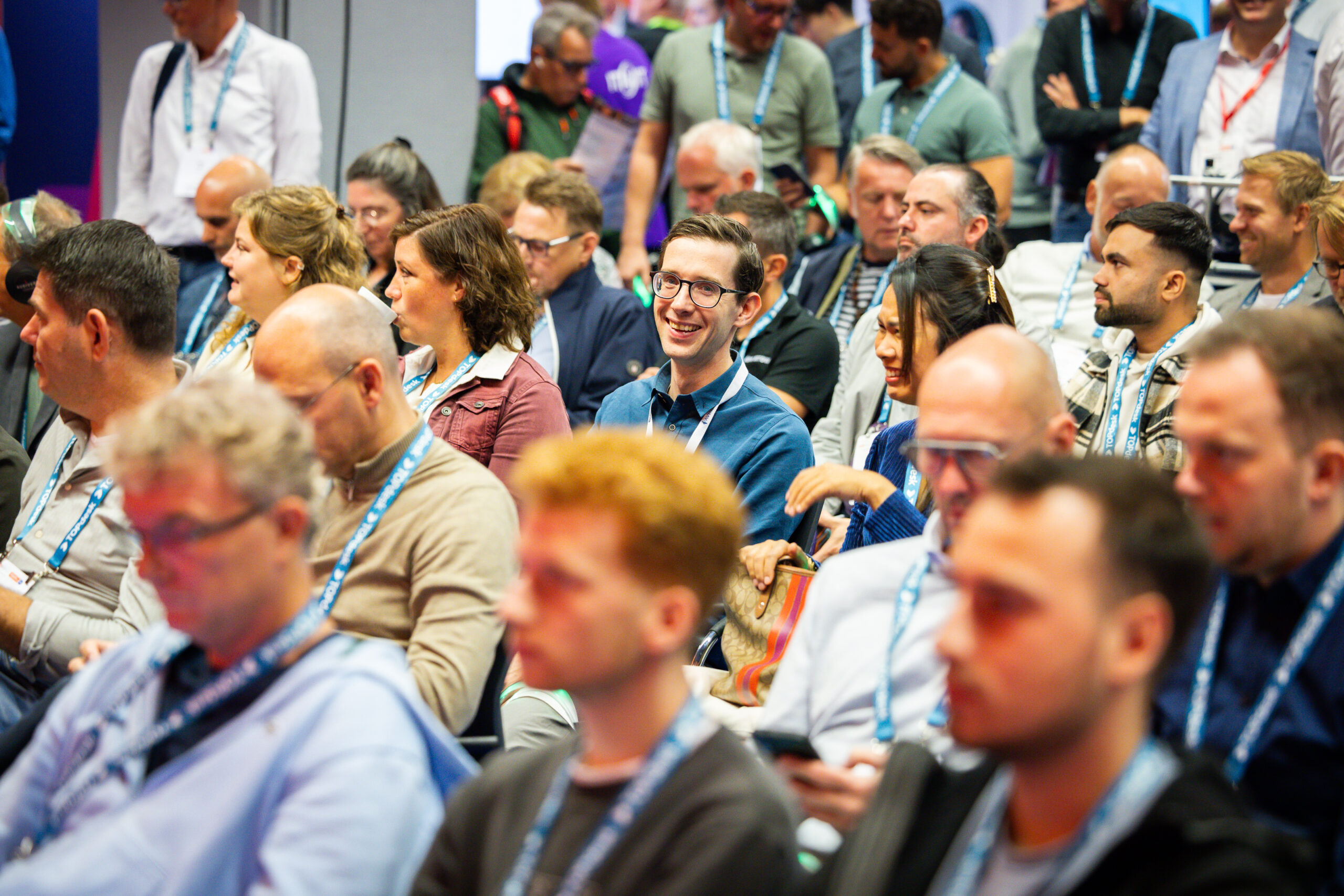
SITS – The Service Desk and IT Support Show, and the MSP Show Netherlands took place at Jaarbeurs in Utrecht on 16 September 2025, and welcomed nearly a thousand attendees.
The event was met with overwhelming enthusiasm from attendees, speakers and exhibitors alike, establishing SITS Netherlands as the must-attend event for the Dutch IT support community.
The co-located exhibitions, showcased the latest technology on the market, alongside unrivalled education and training sessions to a completely new Dutch audience.
Event Director, Alice Fulton said “The reaction from the launch has been incredible! The energy on the show floor was electric, with visitors finally having somewhere to make connections and learn about the evolving industry, while discovering new products. We’re already working on making next year’s show bigger and better.”
'The sessions were practical, forward-looking, and offered real solutions to the everyday challenges we face’
The 20+ free seminar programme was packed with bold ideas and expert insights, covering everything from hyperautomation and SIAM to productivity hacks and the latest cybersecurity updates.
The sessions included case studies, panels and interactive seminars from ITSM leaders from the Benelux region and beyond.
“The seminars were very informative and gave us inspiration to continue working on improving our processes.” Commented visitor Klaus Doerner, Senior Consultant at BWI GmbH.
‘Innovative exhibitors driving the future of ITSM’
The 45 exhibitors ranged from big name brands to start-ups, including Freshworks, HaloITSM, TOPdesk and ManageEngine.
Services by exhibitors covered everything from recruitment and remote monitoring to alerting and automation.
Visitors had the chance to get personalised demos of the latest ITSM tools, have their questions answered and compare service offerings, all in the same place.
‘It’s always great to connect with peers to discuss ideas on how we can work smarter and more efficiently’
The post-show drinks gave visitors the chance to debrief with like-minded IT professionals, after a full day of education and innovation.
SITS, The Service Desk & IT Support Show and the MSP Show Netherlands are back for the second year on 22 September 2026. Find out more here.