


As organisations support hybrid working, mobile staff and shared device models, IT distribution has become a critical, and often underestimated, service desk challenge. Laptops and peripherals are no longer static assets issued once and forgotten; they move continuously between users, locations and support teams. For service desks and MSPs, this has increased pressure to deliver devices quickly, securely and with minimal manual effort.
The Growing Complexity of Device Logistics
Many organisations still rely on traditional methods such as scheduled device collection, manual handovers and decentralised storage. While familiar, these approaches do not scale well. They often require staff to travel to collect or return equipment, reduce visibility of assets and place additional strain on already stretched support teams.
Industry insight consistently shows that poor asset visibility and inefficient lifecycle management contribute to longer resolution times, duplicated effort and unnecessary device purchases. In environments where staff depend on timely access to technology, such as healthcare, education and large enterprises, delays in device availability can directly affect service delivery.
Automation as a Practical Response
To address these challenges, service desks are increasingly treating IT distribution as an integrated operational process rather than an isolated task. Automating device distribution through service management, asset and identity systems enables organisations to standardise how equipment is issued, returned and redeployed.
This approach reduces manual handling, improves auditability and creates a more consistent user experience. For MSPs managing multiple customers or sites, automated distribution models also provide repeatability and control, helping teams scale services without increasing complexity.
Evidence from the Front Line: RDaSH
The experience of Rotherham, Doncaster and South Humber NHS Foundation Trust (RDaSH) illustrates the measurable impact of modernising IT distribution. Supporting more than 155,000 patients annually across 128 sites, the Trust faced significant inefficiencies in how devices were issued and maintained for its geographically dispersed workforce.
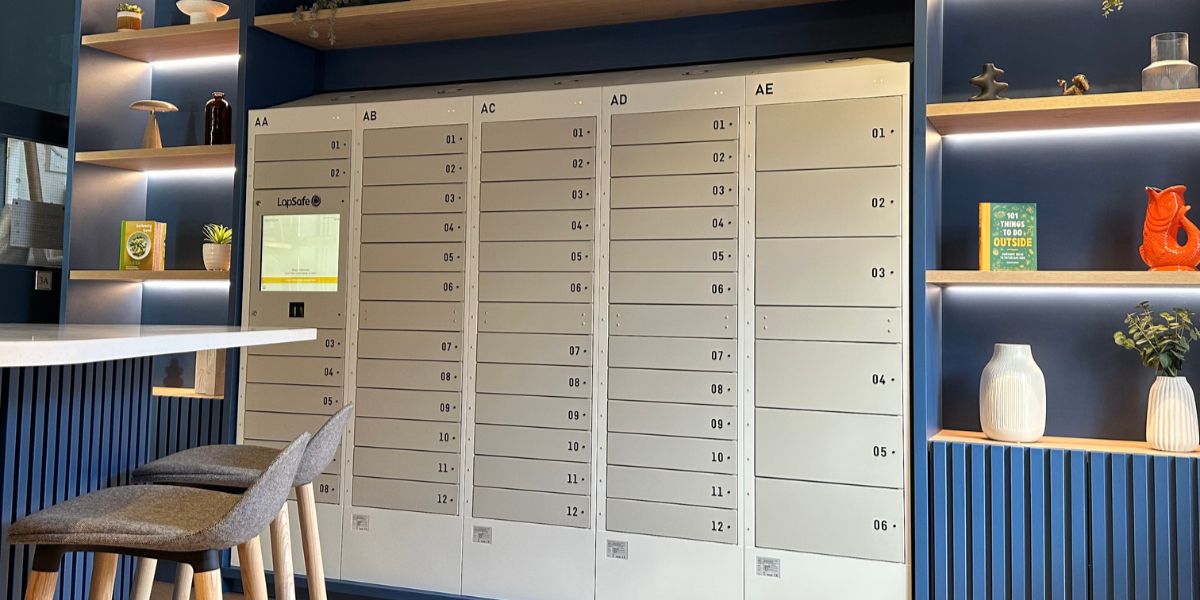
During a proof of concept, RDaSH distributed over 1,000 laptops through automated locker based distribution and reported savings of more than 2,000 clinical hours, the equivalent of a full time nurse. The Trust also eliminated regular on-site visits across three major sites, reducing travel time and face to face dependency for both clinicians and IT staff. Device swaps that previously took hours were completed in less than an hour, directly improving staff productivity and service continuity.
Turning IT Distribution into a Measurable Service Outcome
Rather than being a logistical afterthought, IT distribution is increasingly recognised as a strategic service desk capability. When distribution is automated, measurable and aligned with wider service workflows, it supports faster onboarding, better asset utilisation and improved user satisfaction. For service desks and MSPs alike, modern IT distribution is becoming a key enabler of scalable, resilient and user focused services.
Contact email: [email protected]
Contact phone: 0800 130 3456
Written by Kay Tilbury, LapSafe.